Two-week accelerator gave students from low-income New York City communities the tools, mentorship and hands-on experience to become entrepreneurs in an AI-driven economy
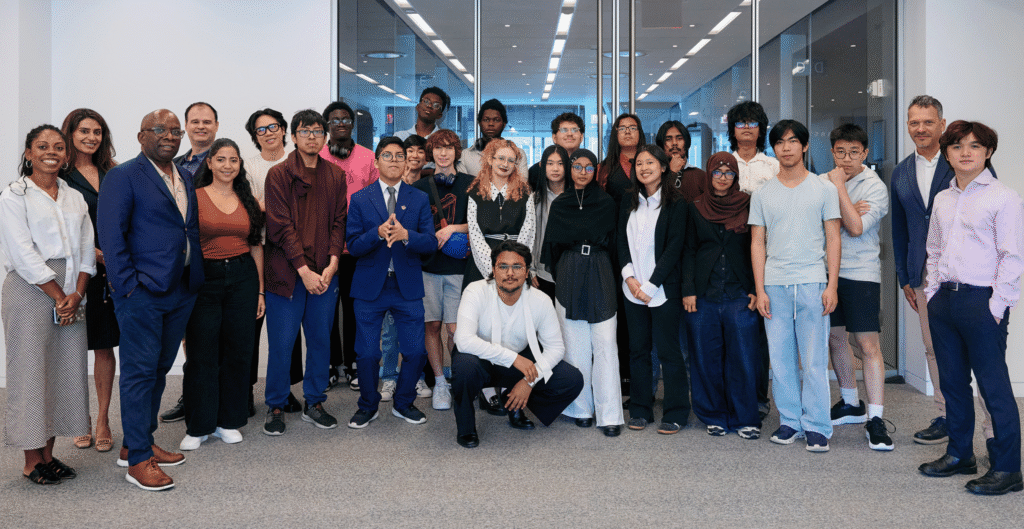
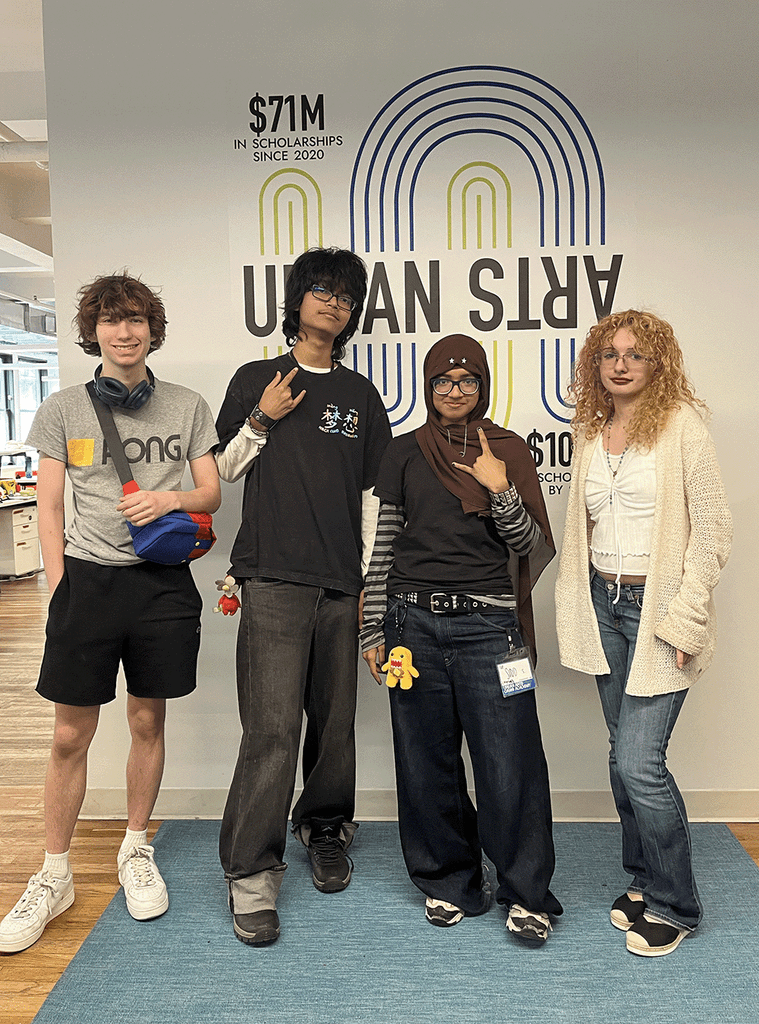
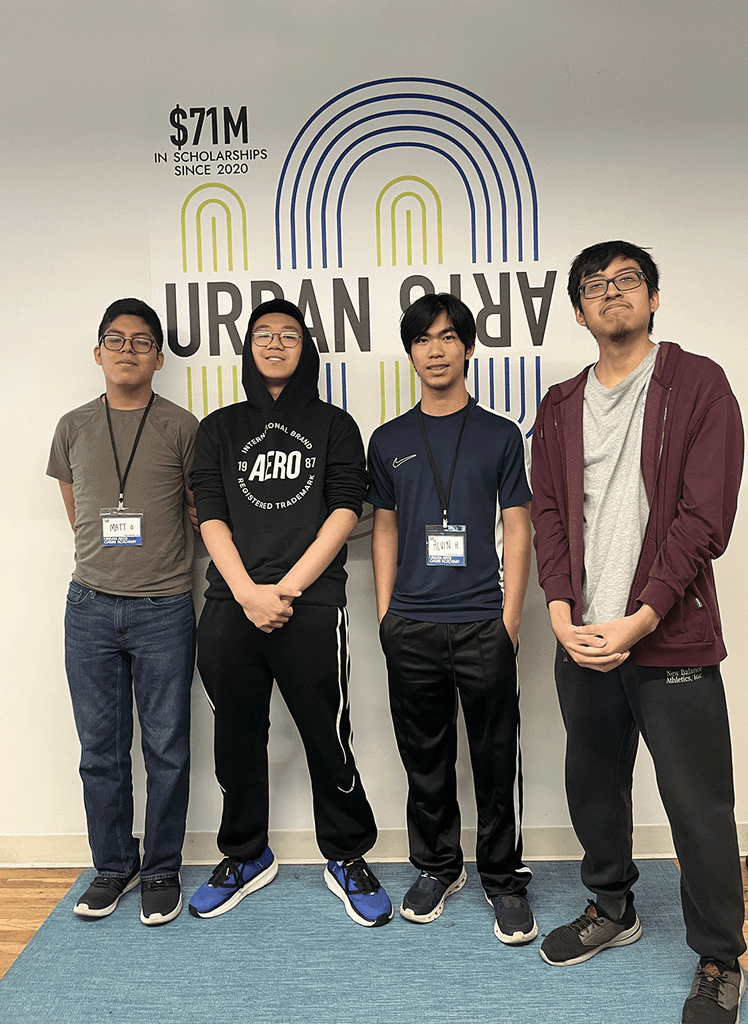
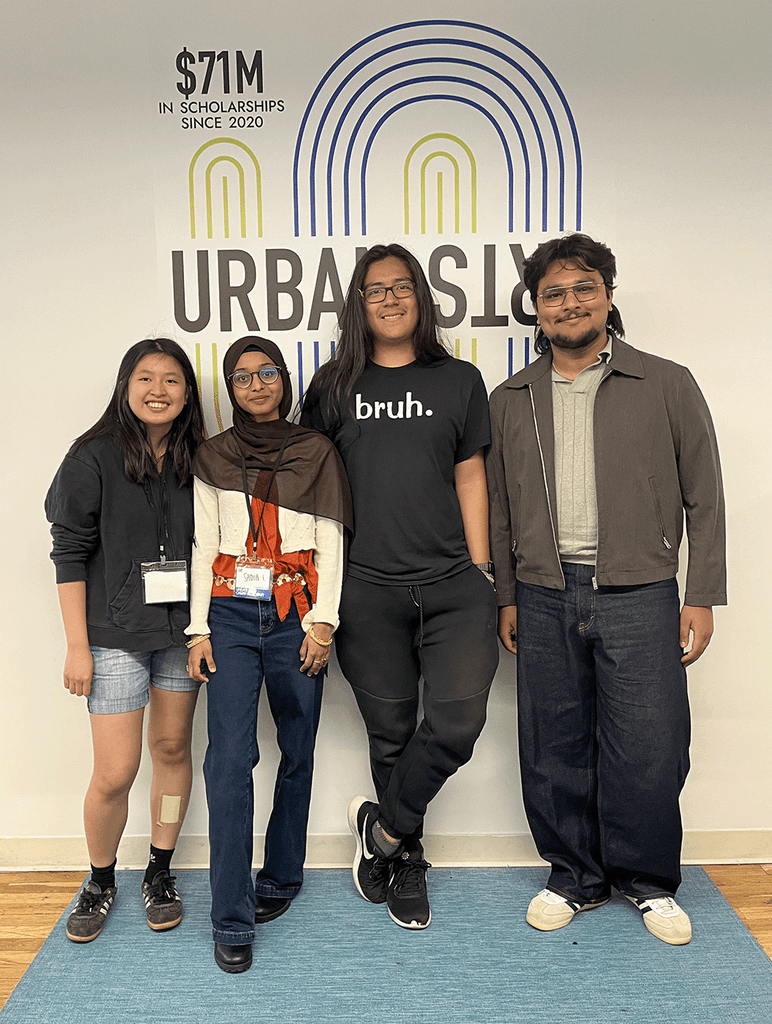
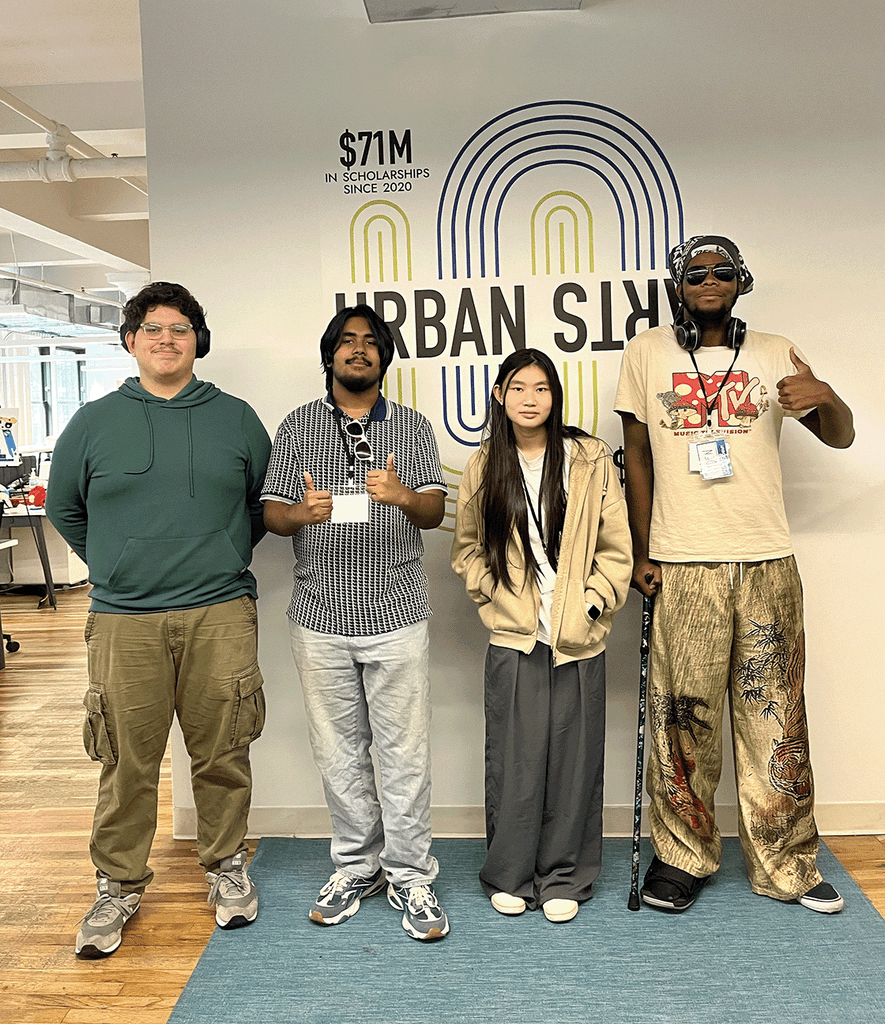
NEW YORK, Oct. 8, 2026 – Urban Arts today announced the successful completion of the inaugural Founders Lab, a ten-day accelerator that gave 20 students from low-income New York City communities the opportunity to use artificial intelligence to turn problems they know firsthand into startup ventures they could build, test and pitch.
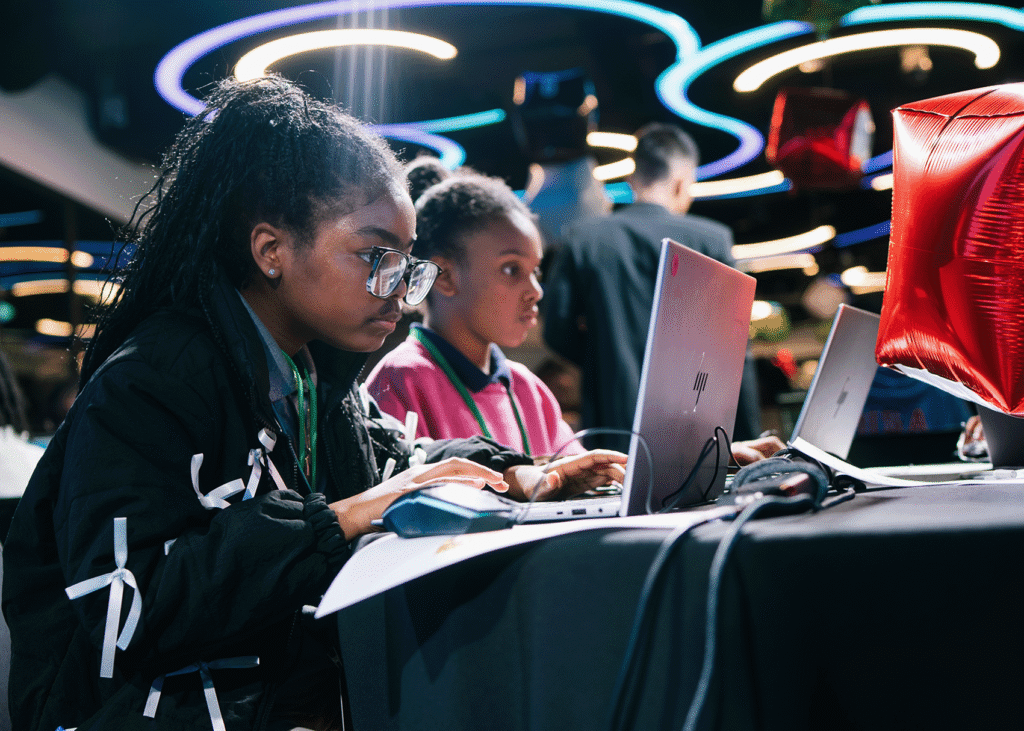
The pilot brought together four teams of five students for an intensive startup experience spanning ideation, product development and customer validation. Along the way, they used AI as a constructive tool to research markets, evaluate competitors and synthesize feedback, while learning to think like founders by testing assumptions, taking risks and refining their ideas. The program reflects a broader shift in entrepreneurship: AI is rapidly reducing the barriers to turning an idea into a working product, but access to the mentorship, networks and business knowledge needed to become a founder remains uneven.
“Urban Arts has spent decades helping young people see a future for themselves in technology. Founders Lab takes that a step further by showing them they can own a piece of what comes next,” said Philip Courtney, CEO of Urban Arts. “The goal isn’t just to build a talent pipeline into the AI economy. It’s to build an entrepreneurial pipeline. That means giving students the tools to test a concept, learn from failure, and keep pushing until they have something they’re ready to put in front of the world.”
Two-time founder and Urban Arts Tech Advisory Board member Nelson Chu, founder and CEO of VN, a technology company focused on protecting and empowering human creativity in the age of AI, worked closely with students throughout Founders Lab, mentoring them on company-building and how AI is changing what it takes to turn a concept into a real product. “AI is closing the distance between having an idea and being able to build something real. The question becomes who gets to take advantage of that,” said Chu. “These students didn’t use AI to replace their thinking. They used it to move faster, ask better questions and turn thoughts rooted in their own experiences into products. We should be giving more young people the tools, judgment and confidence to become builders and owners in the next generation of technology.”
Projects included software designed to better connect health clinics with immigrant communities across the five boroughs, simplify the travel visa process, help parents and children communicate across internet and meme culture, and create a marketplace connecting artists with potential clients. Students pitched their ventures to a judging panel from the venture, technology and startup communities, and the winning team received a cash prize. The judges included Carlton Charles, Vice President at Hearst and VC at Level Up; Arveena Ahluwalia, Chief Strategy and Partnerships Advisor, ViaTouch Media; and Lauren Reeves, Venture Partner, MGV.VC.
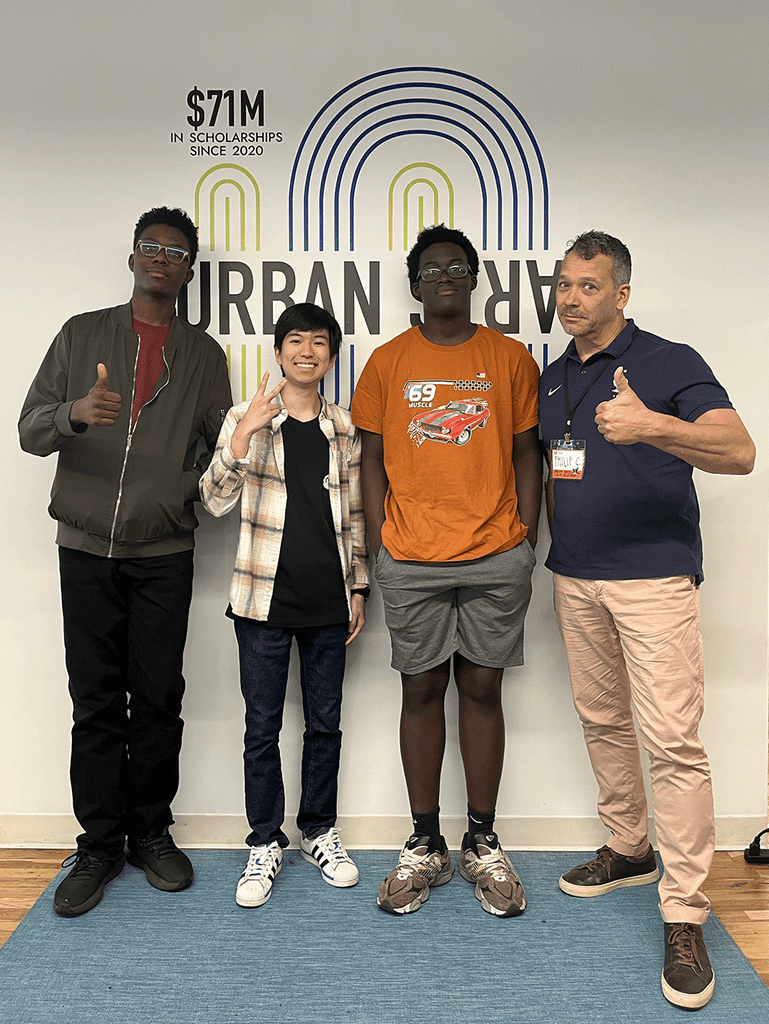
“Entrepreneurship just felt like a word before. Now I know there’s a lot of teamwork involved. You have to know the financial aspects, you have to know design, and you have to plan a lot,” said Fatima “Sidd” Siddiqua, a student at Queens Technical High School.
“The business content—market sizing, unit economics, business model canvas—is college-level material. For me, it was genuinely useful for what I built for Demo Day. Building Day specifically taught me about so many new tools I wasn’t aware of before. I can now build an app that authentically works, “said Shiekh Jobe, a student at United Charter High School for Advanced Math and Science.
“What stood out wasn’t that these students could build something with AI. It was that they were already thinking with a founder mindset,” said Carlton Charles, Vice President at Hearst and VC at Level Up. “They identified problems they understood, made choices about what was worth solving and stood in front of a room to defend those choices. Learning how to take an idea, test it and keep moving when it doesn’t work the first time is an incredibly valuable skill, whether they go on to start a company or take that approach somewhere else.”
Founders Lab builds on Urban Arts’ track record of helping students access college and careers in technology by creating a new pathway into entrepreneurship. Through its Game Academy, 100% of participating seniors are accepted to college, and students have earned more than $71 Million in scholarships since 2020.
Following the success of the pilot, Urban Arts is expanding Founders Lab into a recurring program offered throughout the year.
About Urban Arts
Urban Arts is the national nonprofit that uses digital game design and emerging technologies as pathways to college and careers, providing free programming designed to open doors in STEM and the arts.
Its College Board-approved Game On by Urban Arts curriculum is offered nationally, while its free Game Academy serves students in New York City year-round. Urban Arts also provides college-access services, mentorship and networking opportunities that connect students with leading media and technology companies.
Urban Arts serves thousands of students annually, and alumni have gone on to work at companies including Lucasfilm, Unity, Salesforce and Amazon. The organization was founded in 1992 and works with partners across 15 states and Washington, D.C.
Game changers start here.
Media Contact
Jen Walter
Director of Marketing and Communications at Urban Arts
jen@urbanarts.org
646-544-7790