Esports Brings Students In. Game Design Takes Them Further.

Urban Arts & NASEF Webinar Recap 
By Dr. Edward Metz

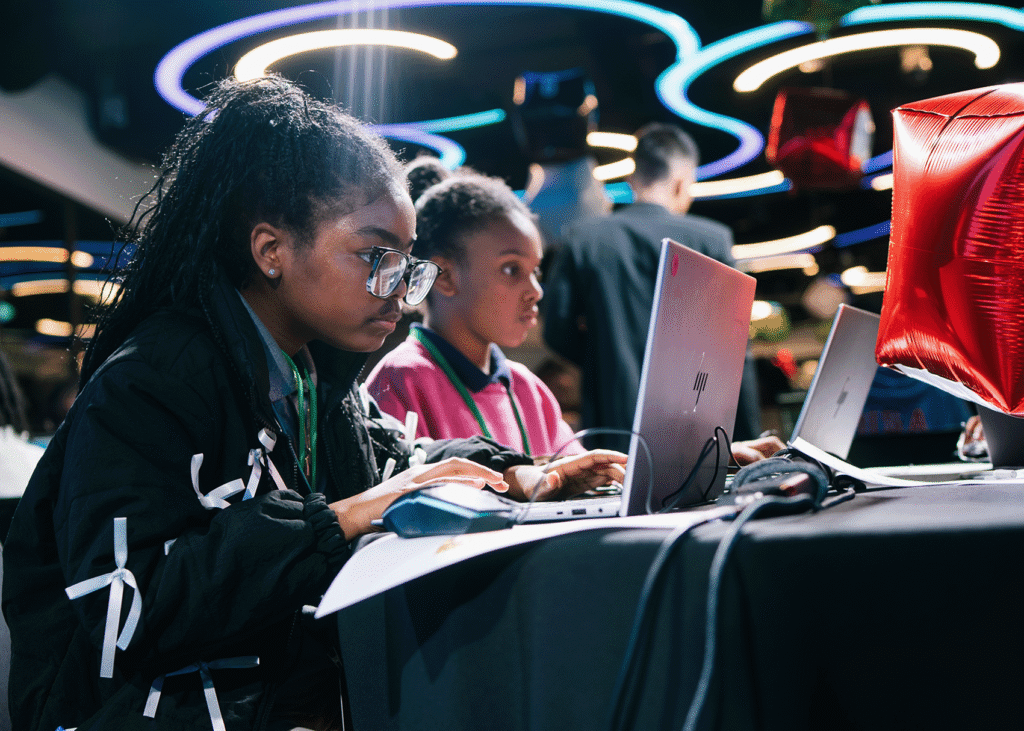
This June, Urban Arts and NASEF co-hosted a webinar on esports, game design, and why schools should think about the connection between the two. Participants shared ways esports can help bring students into school communities and how game design can take them further.

Urban Arts is the national nonprofit that teaches digital game design as a pathway to college and career, offering programs to open doors in STEM and the arts. NASEF, the Network of Academic and Scholastic Esports Federation, is a nonprofit and global network that uses esports for competition, learning, career exploration, and skill development.

Dr. Amy Patterson, Chief Program Officer at Urban Arts, opened by naming something games teach especially well: the willingness to fail, try again, and keep improving. That idea ran through the conversation. Whether students are competing in esports or making their own games, they are practicing persistence, problem solving, communication, creativity, and collaboration in ways that feel real.

James Wood, the Scholastic Programs Administrator from NASEF described how esports can reach students who are not always engaged by traditional extracurricular activities. These are students who may not play sports, join clubs, or feel connected to school. 

That matters when schools are focused on student engagement and chronic absenteeism. Esports give students a reason to come to school, communicate with peers, represent their school, and participate in something positive.

Game design adds another layer. It moves students from playing games to understanding how games are made. Students begin to see the systems, choices, art, code, stories, mechanics, and teamwork behind the experience.

Daniel T. Jones, an award-winning computer science and CTE teacher in Broward County, FL, showed why this matters for inclusion. At his school, many students have IEPs. Esports and game design became a way to give students something meaningful to participate in, and his work includes coaching esports teams and also teaching with Game On by Urban Arts, an AP Computer Science Principles program where students learn computer science while creating their own video games in Unity, an industry-standard tool.

Daniel Glenn Schultz, a sophomore in civil engineering at CCNY, has experiences across these areas. He led an esports club at his high school and simultaneously learned game design through Urban Arts. He explained how programming games in high school helped him understand systems and communication. His comments showed the overlap between game design and esports: both require collaboration, planning, and shared problem solving.
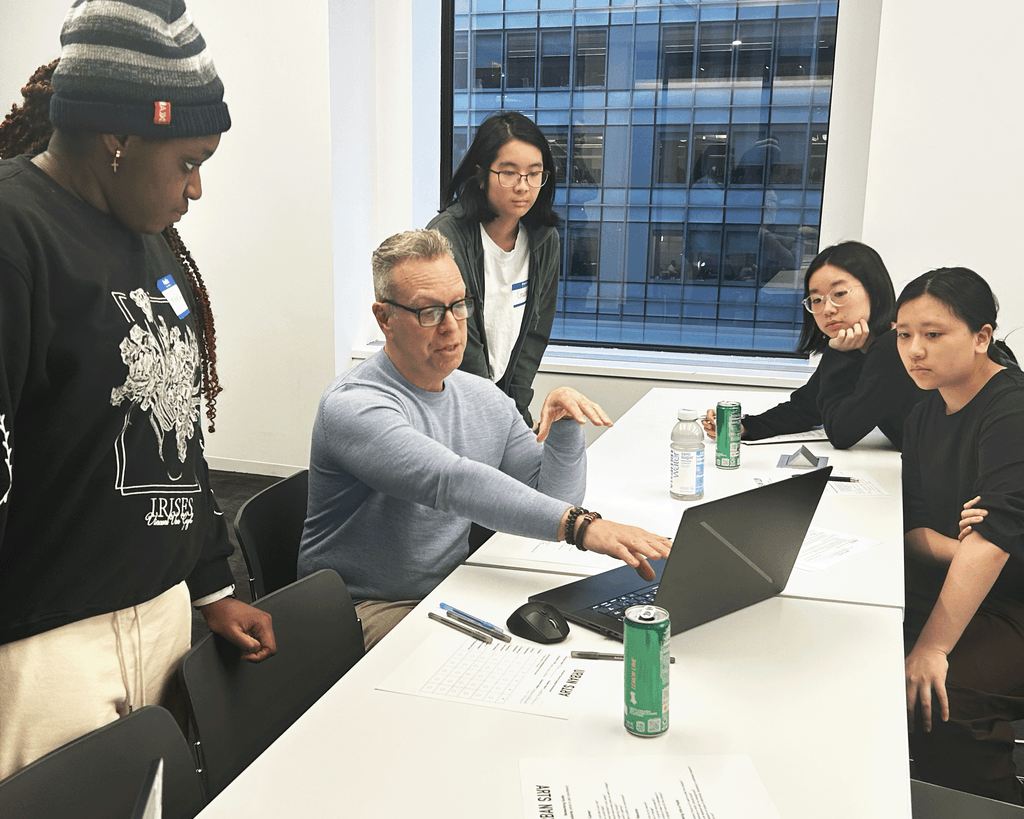
Karen Zheng, an Urban Arts alum now studying interactive media arts at NYU, described the shift from growing up as a player to becoming a maker. Many students already love games. The opportunity is helping them see that they can create them, too.

Seanna Ferguson, a sophomore in forensic sciences at John Jay College, made that point even more plainly. She loved games and wanted to do something in technology, but did not know where to start. Her time as a high school student with Urban Arts gave her the structure, support, and confidence to begin.

That is the potential of connecting esports and game design. Esports can bring students in. It can give them a team, a reason to show up, and a place to belong. Game design can take them further by helping them build, create, analyze, revise, and share something of their own.

This work is strongest when it is structured, intentional, and connected to learning. It is a practical pathway into computer science, creativity, communication, collaboration, and career readiness.

For schools trying to reach students who may otherwise stay on the margins, esports and game design offer a powerful combination. One engages and brings students into the room. The other helps them see what they are capable of making once they are there.

Please reach out to NASEF for more information on esports at info@nasef.org.

Please reach out to Urban Arts for more information on game design at schools@urbanarts.org. 

To speak further with the teams, contact Jen Walter, Director of Marketing and Communications at Urban Arts jen@urbanarts.org.

About the Author: Dr. Edward Metz, Ph.D. is currently a Visiting Scholar at the Digital Futures Institute at Columbia University Teachers College. Between 2004 and 2025, he served as the Program Manager of the US Department of Education and Institute of Education Sciences’ Small Business Innovation Research Program.

More News

NEW YORK, NOVEMBER 19, 2026—Today, Rockstar Games releases Grand Theft Auto VI, one of the...
Welcome to the 2026 YEARBOOK, our year in pixels, playtests, and proof. From Creative Coders...
On October 27, middle and high school students from five D.C. schools came together for...
NEW YORK, Oct. 8, 2026 – Urban Arts today announced the successful completion of the...
Urban Arts graduate Giselle Muriel interviews PONG inventor Al Alcorn and Tilt Five founder Jeri...
This summer, a garden in Manhattan became a video game, students in the Bronx built...